

What Happens When a Minor Is Arrested in Washington?
A juvenile arrest can be a frightening experience for both the minor and their family. Many parents are unsure what to expect after their child is taken into custody, while minors may not fully understand their rights or the potential consequences they face. Although Washington’s juvenile justice system is designed differently from the adult criminal justice system, an arrest can still have serious and long-lasting effects.
If your child has been arrested in Washington, understanding the process can help you make informed decisions and protect your child’s future.
When Can a Minor Be Arrested?
In Washington, a minor may be arrested if law enforcement officers have probable cause to believe the juvenile committed a crime. Juveniles can be arrested for a wide range of offenses, including:
- Theft and shoplifting,
- Drug offenses,
- Assault and fighting,
- Vandalism and property crimes,
- Underage alcohol offenses,
- Weapons-related offenses, and
- Cybercrimes and online misconduct.
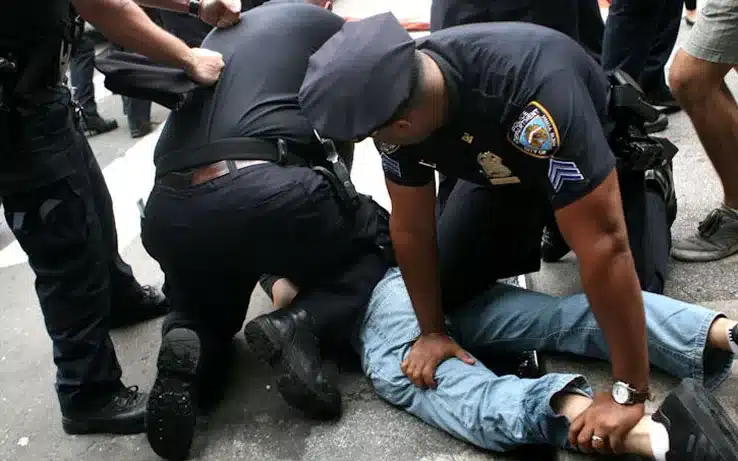
Depending on the circumstances, officers may issue a citation and release the juvenile, or they may take the minor into custody.
What Happens After the Arrest?
After an arrest, the juvenile may be transported to a local juvenile detention facility or released to a parent or guardian.
Law enforcement officers will typically notify the minor’s parents or legal guardians as soon as possible. During this stage, officers may conduct interviews and gather evidence related to the alleged offense.
Just like adults, juveniles have constitutional rights, including the right to remain silent and the right to an attorney. A minor should never answer questions from law enforcement without legal counsel present.
Detention Screening
Washington uses a detention screening process to determine whether a juvenile should remain in custody while the case proceeds.
Officers typically consider the following factors in determining if a minor should remain in custody:
- The seriousness of the alleged offense,
- Whether the juvenile poses a risk to public safety,
- Prior criminal history,
- Risk of the juvenile failing to appear in court, and
- Family and community ties.
Many juveniles are released to their parents pending court proceedings, particularly if they are accused of nonviolent offenses.
Juvenile Court Proceedings
Most juvenile cases are handled in Washington’s juvenile courts. The process differs from adult criminal court and focuses more heavily on rehabilitation rather than punishment.
The court process may include the following:
- Arraignment: This is where the juvenile is informed of the allegations and enters a plea.
- Fact-finding hearing: This proceeding is similar to a trial in adult court. A judge determines whether the allegations have been proven beyond a reasonable doubt. Juvenile cases generally do not involve juries.
- Disposition hearing: If the court finds the juvenile guilty, the judge determines an appropriate disposition, which is similar to sentencing in adult court.
Possible Consequences for a Juvenile Offense
The penalties imposed in a juvenile case depend on the nature of the offense, the juvenile’s age, and prior history.
Potential consequences include:
- Community service,
- Probation,
- Counseling or treatment programs,
- Restitution to victims,
- Electronic home monitoring,
- Juvenile detention, and
- Commitment to a state juvenile rehabilitation facility for serious offenses.
Although the juvenile system emphasizes rehabilitation, some penalties can significantly affect a young person’s education, employment opportunities, and future goals.
Can a Minor Be Charged as an Adult?
In certain situations, yes.
Washington law allows some juveniles to be prosecuted in adult court, particularly when the alleged offense involves serious violent crimes. Factors such as the juvenile’s age, criminal history, and the severity of the allegations can influence whether adult court jurisdiction applies.
A conviction in adult court can expose a minor to substantially harsher penalties and a permanent criminal record.
Contact Black & Askerov for Help
The experienced criminal defense attorneys at Black & Askerov have over 30 years of combined experience helping juveniles who have been accused of committing a crime. Our Seattle criminal defense lawyers also have the skill and commitment that makes all the difference in these cases. Contact us now to get the legal help you deserve!
* Main image at top by freepik
Related Posts
Recent Articles