
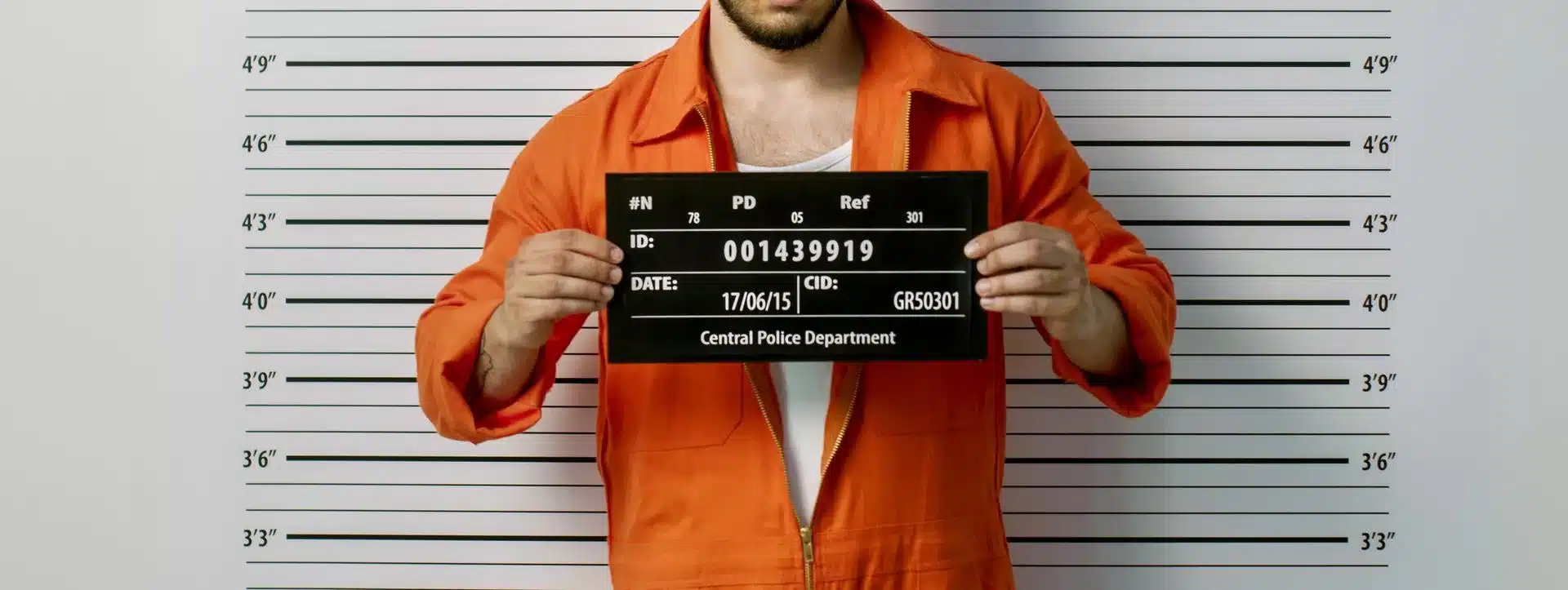
Top 3 Defenses to a Theft Charge in Washington State
A theft conviction in Washington can have serious and lasting consequences. Depending on the value of the property involved and the circumstances of the alleged offense, you could face jail time, significant fines, restitution, and a permanent criminal record. Fortunately, being charged with theft does not mean you will automatically be convicted. A knowledgeable Seattle criminal defense attorney can evaluate the facts of your case and develop a defense strategy designed to protect your rights.
Below are three of the most effective defenses to a theft charge under Washington law.
Lack of Intent to Steal
One of the strongest defenses is that you did not intend to commit theft.
Under Washington law, prosecutors generally must prove that you wrongfully obtained or exerted unauthorized control over another person’s property with the intent to deprive that person of it. If the prosecution cannot establish this intent beyond a reasonable doubt, the theft charge may fail.
For example, you may have:
- Accidentally left a store without paying for an item,
- Borrowed property believing you had permission, or
- Mistakenly believed an item belonged to you.
In each of these situations, the absence of criminal intent can be a powerful defense.
Ownership or Good Faith Claim of Right
Another common defense is that you honestly believed the property belonged to you or that you had a legal right to possess it.
Washington courts recognize that theft requires the unlawful taking of another person’s property. If you acted under a genuine, good-faith belief that you owned the property or were entitled to possess it, the prosecution may be unable to prove the required criminal intent.
This defense often arises in disputes involving:
- Former spouses or domestic partners,
- Family members,
- Business partners, and
- Property ownership disagreements.
While a good-faith claim does not apply in every case, it can be highly effective when supported by emails, text messages, contracts, receipts, or witness testimony.
Insufficient Evidence
The prosecutor has the burden of proving every element of a theft offense beyond a reasonable doubt. If the evidence is weak, inconsistent, or unreliable, your attorney may seek to have the charges reduced or dismissed.
Examples of evidentiary problems include:
- Unreliable eyewitness identification,
- Poor-quality surveillance footage,
- Missing or incomplete evidence,
- Contradictory witness statements, and
- Lack of proof that you intended to permanently deprive the owner of the property.
Your criminal defense attorney may also challenge the legality of the police investigation, question witness credibility, or file motions to exclude improperly obtained evidence.
Every Theft Case Is Different
No single defense works in every theft case. The best strategy depends on the specific facts, the available evidence, and whether your constitutional rights were violated during the investigation or arrest.
An experienced criminal defense lawyer will carefully review police reports, surveillance footage, witness statements, and other evidence to identify weaknesses in the prosecution’s case. In many situations, an early and aggressive defense can lead to reduced charges, dismissal, or a favorable plea agreement.
Contact Black & Askerov for Help
At Black & Askerov, our Seattle criminal defense lawyers have been representing clients in a wide range of theft cases for over 30 years. We understand how to start crafting a defense in your theft case, and we know how to present persuasive arguments at trial or in the plea-bargaining process. Our Seattle criminal defense lawyers also have the skill and commitment that makes all the difference in these cases. Contact us now to get the legal help you deserve!
Related Posts
Recent Articles