
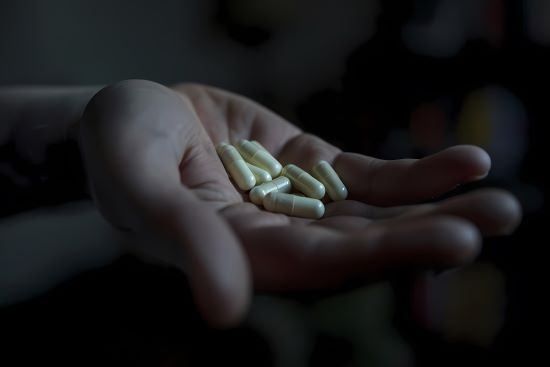
Is Lack of Knowledge a Defense to a Washington Drug Possession Charge?
If you’ve been charged with drug possession in Seattle or anywhere in Washington, one of the first questions you may have is: What if I didn’t even know the drugs were there?
That question goes to the heart of a powerful legal concept known as “knowledge.” Under Washington law, the prosecution generally must prove that you knowingly possessed a controlled substance for you to be convicted of a drug possession charge. Without knowledge, your case can fall apart.
But like most things in criminal law, the answers regarding knowledge aren’t always straightforward.
What “Possession” Really Means
Washington law recognizes two types of possession. These are actual and constructive.
Actual possession is straightforward. It means the drugs were found on you. An example of actual possession is when you were found carrying drugs in a backpack or handbag.
Constructive possession, however, is more nuanced and often the focus of litigation. It applies when drugs are found in a place you have control over, such as a car, apartment, or shared living space.
Constructive possession cases are where lack of knowledge becomes critical. Just because something is found in a space connected to you does not automatically mean you knew it was there.
Why Knowledge Is Required
As stated above, the State must prove more than just the presence of drugs. The prosecution must prove that you knowingly possessed them. This means showing that you were aware of both the presence of the substance and its nature as a controlled substance.
This requirement became firmly established after the Washington Supreme Court’s decision in State v. Blake. In that case, the Washington Supreme Court struck down Washington’s prior strict liability drug possession law, which had allowed convictions without proof of knowledge.
Today, if the State can’t prove knowledge beyond a reasonable doubt, your drug charges can’t stand.
When Lack of Knowledge Becomes a Defense
Lack of knowledge often arises in everyday situations that don’t look criminal on their face. For example, someone may borrow a car from a friend without realizing there are drugs inside, or live with roommates where contraband is found in a shared area.
In other cases, a person may be holding a bag or personal item for someone else without knowing what it contains.
In each of these scenarios, the issue is not whether the drugs existed, but whether the defendant actually knew about them. That distinction can make or break a case.
How the State Tries to Prove Knowledge
Because direct evidence of knowledge is rare, prosecutors often rely on circumstantial evidence. They may point to:
- Where the drugs were found,
- Your proximity to them, or
- Your control over the area.
They may also rely on statements made during police encounters or argue that your behavior suggested awareness.
However, please note that these inferences aren’t always reliable. Being near drugs or having access to a location doesn’t necessarily mean you knew what was there. A strong defense focuses on exposing these gaps and creating reasonable doubt.
Building an Effective Defense
A skilled criminal defense attorney will examine the full context of the situation, including who had access to the area, whether there is any forensic evidence tying you to the drugs, and whether law enforcement followed proper procedures. In many cases, the defense centers on showing that the connection between you and the drugs is too weak to prove knowledge beyond a reasonable doubt.
This is especially important in shared environments, where multiple people may have had equal access and opportunity.
Contact Black & Askerov for Help
While you can raise a legal defense to challenge a drug possession charge, it will take a skilled criminal defense attorney to raise the best defense. The experienced criminal defense attorneys at Black & Askerov have over 30 years of combined experience defending clients on various drug charges. Our Seattle criminal defense lawyers also have the skill and commitment that makes all the difference in these cases. Contact us now to get the legal help you deserve!
* Main image at top by freepik
Related Posts



Recent Articles